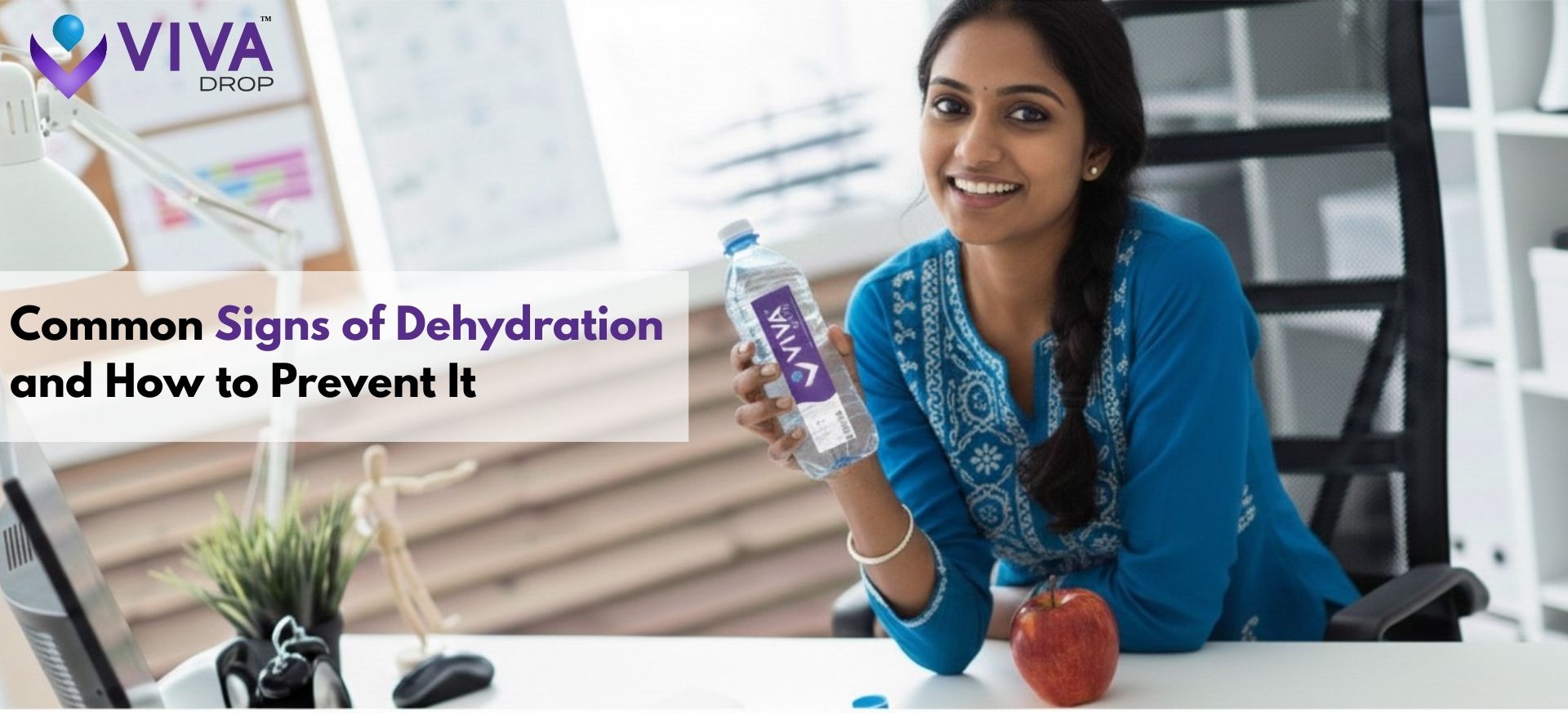
Water plays a vital role in maintaining energy levels, supporting digestion, regulating body temperature, and keeping organs functioning efficiently. Yet, dehydration is one of the most common health concerns people experience without realizing it. Understanding the common signs of dehydration can help prevent fatigue, headaches, and long-term health complications.
Modern lifestyles, busy schedules, and changing weather conditions often reduce daily water intake. Learning how dehydration affects the body and adopting simple hydration habits can help maintain overall wellness and improve daily performance.
What is Dehydration?
Dehydration occurs when the body loses more fluids than it consumes. Since the human body is largely made up of water, even mild fluid loss can disrupt normal bodily functions.
Water helps transport nutrients, maintain body temperature, and remove waste. When hydration levels drop, physical and mental performance may decline. Maintaining proper body water balance is essential for staying active and healthy throughout the day.
Common Signs Your Body Is Dehydrated
Recognizing early warning signals allows quick action before dehydration becomes severe. Some of the most noticeable symptoms include:
Persistent thirst
Dry mouth and lips
Fatigue or low energy levels
Headaches or dizziness
Dark yellow urine
Reduced concentration and irritability
These common signs of dehydration often appear gradually, making them easy to ignore. Paying attention to these signals helps prevent further complications and supports overall hydration health benefits.
Why Dehydration Happens More Often Than You Think
Many daily habits unknowingly contribute to dehydration. Busy work schedules, long travel hours, excessive caffeine intake, and hot climates increase fluid loss.
People living in warm regions especially need consistent hydration tips for hot weather, as sweating leads to faster water depletion. Additionally, air-conditioned environments may reduce thirst sensation, causing people to drink less water than required.
Ensuring access to clean water from a trusted drinking water supplier like Viva Drop helps individuals maintain safe hydration throughout the day.
Health Risks Associated with Dehydration
Ignoring dehydration symptoms can affect multiple body systems. Mild dehydration may cause tiredness and headaches, while prolonged fluid imbalance may result in:
Reduced physical performance
Poor digestion
Muscle cramps
Difficulty focusing
Increased body temperature
Proper hydration supports circulation, brain function, and metabolism. Choosing a healthy drinking water choice plays a key role in preventing these issues and maintaining everyday wellness.
Dehydration Prevention Tips for Everyday Life
Preventing dehydration does not require drastic lifestyle changes. Small daily habits can make a significant difference.
Some effective dehydration prevention tips include:
Drink water regularly instead of waiting until you feel thirsty
Carry a water bottle during travel or work hours
Increase water intake during exercise
Consume water-rich fruits and vegetables
Set reminders to drink water throughout the day
Consistent hydration improves mood, concentration, and energy levels while supporting long-term health.
Importance of Safe Drinking Water for Hydration
Hydration is not only about quantity but also about water quality. Clean and purified water ensures safety and reduces exposure to contaminants.
Reliable hydration sources become essential in workplaces and gatherings. Many businesses now depend on bottled water supply for corporate offices to maintain employee wellness and productivity.
Similarly, organizers prefer packaged drinking water for events to ensure hygienic hydration for guests while simplifying water distribution.
Viva Drop focuses on delivering purified drinking water solutions that support safe and convenient hydration for both individuals and organizations.
Hydration Needs During Hot Weather and Physical Activity
Hot climates significantly increase fluid loss through sweating. During summer months or outdoor activities, hydration requirements rise considerably.
Following simple hydration tips for hot weather can help maintain comfort and prevent exhaustion:
Drink small amounts of water frequently
Avoid excessive sugary or caffeinated drinks
Wear breathable clothing
Rehydrate immediately after physical activity
Maintaining hydration during extreme temperatures helps regulate body temperature and prevents heat-related discomfort.
Building Healthy Hydration Habits
Developing consistent water intake habits ensures long-term wellness. Instead of consuming large amounts at once, spreading water intake evenly throughout the day improves absorption and maintains steady hydration levels.
Families, workplaces, and event organizers increasingly prioritize reliable water access to encourage better hydration behavior. Choosing dependable drinking water solutions from Viva Drop helps simplify this process while ensuring consistent quality.
Conclusion
Understanding the common signs of dehydration allows individuals to take preventive action before health issues arise. From fatigue and headaches to reduced concentration, dehydration affects both physical and mental performance. Fortunately, simple lifestyle changes and consistent water intake can effectively prevent these problems.
By adopting regular hydration habits, following practical prevention strategies, and choosing safe drinking water sources, individuals can maintain energy, improve health, and support overall well-being. Staying hydrated is one of the simplest yet most powerful steps toward a healthier daily life.
Stay refreshed and hydrated every day with safe and reliable drinking water solutions from Viva Drop. Whether for homes, workplaces, or large gatherings, choose quality hydration you can trust.
Contact Viva Drop today for dependable water supply services.